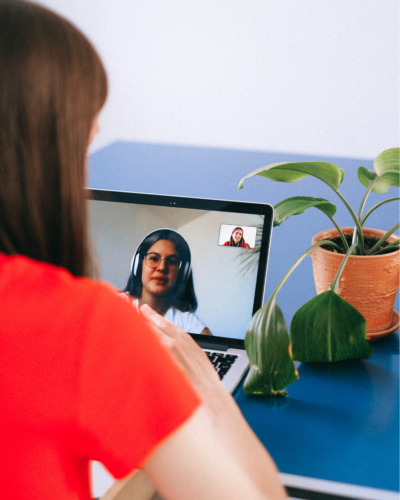
Six Tips for Your Next Virtual Media Interview
It’s important to fully prepare a spokesperson for a media interview, whether it is held in person or virtually.
Media training sessions help teams develop the skills needed to communicate clearly and prepare for media opportunities across formats. As virtual interviews have become a regular part of media relations, we are requiring spokespeople to bring the same preparation and message discipline that they would bring to an in-person conversation while also considering how they appear and sound on the screen.
Check Your Tech
Before the interview, test your internet connection, camera, and microphone to ensure everything is working properly. If there are any issues, have a backup plan in place, such as dialing in by phone.
Confirm the platform that the reporter plans to use and download any necessary updates in advance. Use headphones when appropriate and have your talking points nearby, but avoid reading directly from notes during the interview.
Also, improve your connection by closing unnecessary tabs and prevent interruptions by silencing notifications on your computer and phone.
What to Wear
It’s important to wear something you feel comfortable in for the interview. For virtual interviews, soft, solid colors tend to look better on camera than bright colors or patterns.
Your Background Matters
Treat everything visible on screen as part of the interview. Choose a clean, professional background without distracting objects or movement and avoid relying on virtual backgrounds when possible. Check what appears behind you before joining the interview, particularly if you are participating from a home or shared workspace.
Lighting is Important
A natural light source is great for an interview, but avoid sitting directly in front of or behind a window to prevent lighting mishaps. For those who wear glasses, position your light source above your head or slightly to the side to reduce reflections on your lenses. If you still experience glare, try turning down your screen brightness.
Position Your Camera
Position your camera at eye level and frame yourself from approximately the chest or shoulders up. During the interview, look into the camera when answering questions rather than watching yourself on screen or looking up and down at the screen. This creates more natural eye contact for the audience.
Know Your Message
A polished setup can only get you so far. Before the interview begins, it’s key to identify the two or three points that you want the audience to remember and then practice communicating them clearly and conversationally as you would for an audience.
It’s important to keep your answers focused and get your point across briefly, especially for broadcast interviews where just short portion or soundbite of your response will be included.
Preparing for your next media interview? Find out how HMA can help your team take on any interview confidently and get your message across effectively with the help of media training. Contact us!